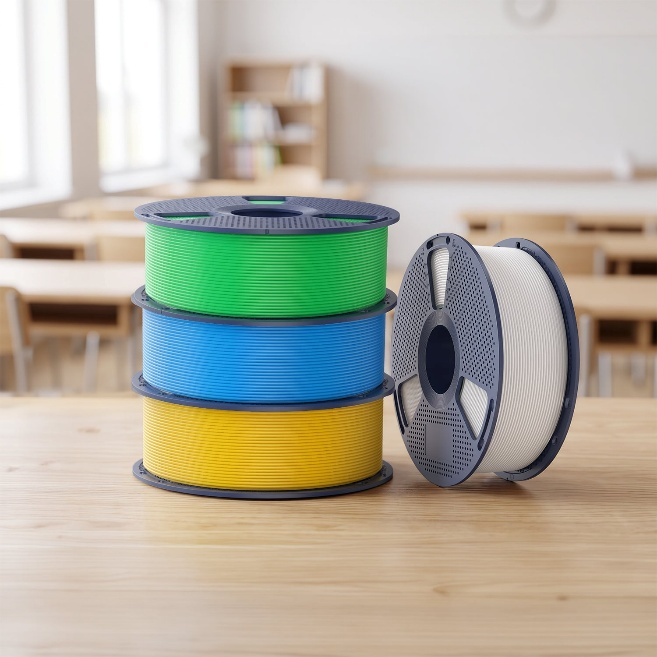
Experiencing snapped materials mid-print is a common and costly operational hurdle for additive manufacturing professionals. Why does this material keep breaking, and how can the issue be resolved? The straightforward answer is that moisture absorption, ultraviolet degradation, and mechanical stress cause brittleness. To rectify this successfully, operators must actively dry the affected polymer using dedicated equipment and follow proper low-humidity storage protocols. By employing effective drying solutions and sourcing high-quality consumables from established manufacturers like SUNLU, users can restore material flexibility, salvage compromised spools, and maintain seamless extrusion. This guide breaks down the environmental causes of polymer brittleness and offers practical methods to rescue degraded materials and guarantee flawless print quality.
Understanding the Root Causes of Brittle PLA Filaments
To effectively solve the persistent issue of snapping, operators must thoroughly understand the environmental factors at play. The most prevalent reason for brittle PLA Filaments is hydrolysis. Many standard thermoplastics utilized in the industry are highly hygroscopic, meaning they inherently attract ambient water molecules. When moisture penetrates the polymer matrix, it disrupts the internal molecular bonds. During the intense heating process inside the printer’s hotend, this trapped water rapidly expands into steam. This sudden phase change causes micro-bubbles, audible popping sounds, and extreme structural brittleness.
Beyond ambient moisture, prolonged exposure to ultraviolet light rapidly degrades thermoplastics. Leaving unwrapped spools exposed to direct sunlight accelerates chemical breakdown, stripping the plastic of its natural pliability. Furthermore, physical routing issues can cause unnecessary mechanical stress. If the spool is positioned at an awkward angle relative to the extruder, the constant sharp bending will eventually snap the plastic before it reaches the heated nozzle. Identifying these specific root causes is the vital first step in troubleshooting any malfunctioning extrusion system.
Step-by-Step Solutions to Restore 3D printing filament
Now that the underlying causes of snapping are clear, how do professionals fix it? The immediate solution to brittle polymers is active dehydration. Users should never throw away a brittle spool prematurely. Instead, utilizing a dedicated material dryer is highly recommended to salvage the 3D printing filament. Drying the plastic at a controlled temperature—typically between forty-five and fifty degrees Celsius for approximately four to six hours—safely evaporates absorbed water and restores flexibility. It is essential to use a specialized dryer rather than a kitchen oven, which poses severe melting risks.
If a piece snaps off mid-print or while loading, operators can seamlessly fuse the broken ends together. A specialized filament connector becomes incredibly useful here. By gently heating both broken ends and pushing them together inside an alignment tube, users create a continuous strand, preventing waste. When facilities purchase their next batch of 3D print filament, investing in fusion tools provides significant operational advantages. Finally, technicians should meticulously double-check the mechanical setup, ensuring the spool holder rotates freely and the guide tube follows a smooth arc to eliminate unnecessary bending forces.
Material Properties and Application Guidelines
When managing a diverse inventory of thermoplastics, understanding the chemical and physical properties of the material is critical for operational success. Rather than relying on assumptions, it is important to objectively evaluate lifecycle, safety, and disposal metrics. The table below logically outlines standard operational guidelines regarding polymer shelf life, specific safety applications, and environmental recyclability.
| Material Characteristic | Professional Application Guideline |
| Expected Storage Life | The usable storage life of 3D printing filament depends on the material, packaging, and storage conditions. Keep filament in a cool, dry place, limit exposure to humidity and direct sunlight, and follow the manufacturer’s storage recommendations. If a specific shelf-life period is required, verify it against the relevant product documentation before publishing. |
| Food-Safe Applications | Polypropylene (PP) material is chemically food-safe. However, true food safety depends heavily on the specific hardware setup. Operators must avoid printing PP with nozzles previously used for other materials. Upgrading to a dedicated stainless steel nozzle is mandatory. |
| Recyclability and Waste | The recyclability of 3D printing filament scraps and failed prints depends on the material composition and the capabilities of local recycling facilities. Some thermoplastics may be suitable for specialized recycling processes, including shredding and reprocessing, where appropriate facilities are available. Check local recycling guidelines before disposing of filament waste, and avoid assuming that all materials can be recycled through standard household programs. |
How Proper Storage Prevents Future Snapping
Prevention is consistently a more efficient operational strategy than correction. Once a spool is thoroughly dried and printing correctly, operators must proactively maintain its ideal state. Proper storage is the definitive answer to preventing snapped lines. The moment a fabrication cycle finishes, the spool should be carefully removed from the machine and placed into a vacuum-sealed bag. Including a large industrial desiccant pack inside the bag before vacuuming out the ambient air guarantees a highly stable, moisture-free storage environment.
For users who need to keep filament accessible during printing, a suitable dry box can help limit exposure to ambient moisture. Some SUNLU filament product pages recommend maintaining humidity below 20% RH in a sealed container with desiccant. However, the appropriate storage conditions depend on the material and the manufacturer’s instructions. Follow the recommendations for the specific filament rather than treating one humidity target as universal.
Conclusion
Dealing with brittle materials does not have to be a permanent, ongoing frustration for additive manufacturing professionals. By understanding the adverse effects of environmental humidity, consistently utilizing dedicated drying equipment for 3D print filament, employing splicing connectors to salvage broken strands, and mastering proper long-term storage techniques, operators can easily achieve flawless extrusion. When handling intricate mechanical printer setups, implementing proper environmental controls and maintenance routines makes all the difference in final output quality. Material reliability remains absolutely paramount for any scale of operation, from dedicated desktop hobbyists to massive commercial production farms. Facilities should systematically ensure they source their hardware and consumables from reputable manufacturers like SUNLU, guaranteeing that creators always have the highly reliable equipment and superior materials needed to bring complex digital designs to life perfectly and efficiently.