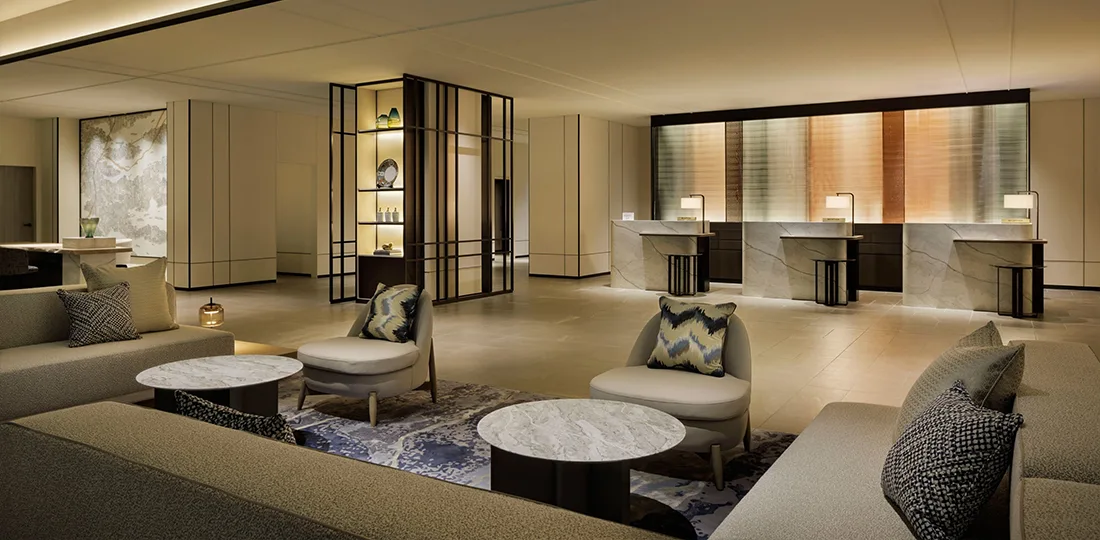
A hotel lobby is more than a waiting area. It is a space where guests form their first impression of a property through the atmosphere, layout, and overall experience. The choice of furniture influences how people move, rest, and interact within the space, while also reflecting the hotel’s design concept and service style.
For hospitality projects, furniture planning needs to consider both visual appeal and practical use. Designers, contractors, and hotel owners need to evaluate factors such as space size, guest flow, material performance, and maintenance requirements before selecting a suitable solution. These considerations help create a balanced environment that supports daily operations and guest comfort.
Why Lobby Design Requires Careful Planning
A hotel lobby usually serves multiple functions at the same time. It can be a reception area, a social space, a temporary workplace, or a place where guests wait before check-in. Because of these different activities, furniture arrangement needs to support smooth movement while maintaining a comfortable atmosphere.
The scale of the furniture should match the size of the lobby. Oversized pieces may affect walking paths, while insufficient seating may reduce guest comfort during busy periods. Designers often review the relationship between furniture, lighting, flooring, and decorative elements before finalizing a layout.
When selecting hotel lobby furniture, project teams usually consider appearance, durability, cleaning requirements, and daily usage conditions. A suitable solution should fit the hotel’s design language while supporting practical operation.
Matching Furniture With Hospitality Requirements
Hotels receive guests with different needs throughout the day. Business travelers may need quiet areas for short meetings, while families may prefer comfortable seating zones. Therefore, furniture choices should reflect the expected activities within each part of the lobby.
Material selection is another important consideration. Fabrics, wood finishes, metal structures, and surface treatments all influence maintenance and service life. In high-traffic environments, designers often look for materials that can handle frequent use while maintaining a consistent appearance.
Hospitality projects may also include connected leisure areas beyond the main lobby. These spaces generally feature fitness equipment benches, massage tables and treatment couches, relaxation lounge chairs with moisture-resistant upholstery, towel racks and storage cabinets, and poolside loungers with quick-dry cushions and weatherproof side tables.
Supporting Projects Through Custom Solutions
Each hotel project has its own design concept, construction schedule, and operational requirements. Custom furniture allows project teams to adjust dimensions, materials, colors, and styles according to the actual environment rather than relying only on standard options.
During commercial furniture projects, coordination is also an important part of the process. Furniture dimensions need to match architectural plans and avoid conflicts with electrical systems, mechanical layouts, or other site conditions. Early communication between suppliers, designers, and contractors can help reduce adjustments during installation.
As a provider of customized hospitality furniture solutions, BFP Furniture focuses on hotel furniture and restaurant furniture projects. They understand the requirements of commercial spaces and provide support related to design communication, production coordination, and project execution.
Choosing a Partner for Hotel Furniture Projects
Selecting suitable hotel lobby furniture suppliers involves more than reviewing product appearance. Buyers usually need to understand production capability, quality management, delivery schedules, and communication processes before starting a cooperation.
For international projects, transparent updates can help clients follow progress more effectively. Production photos, milestone reports, and bilingual communication are useful tools for keeping different teams informed during manufacturing and delivery.
Project support before installation is also valuable. Professional suppliers may assist with measurements and coordinate with hotel engineering teams to check site conditions. This preparation helps furniture installation work more smoothly and reduces unexpected issues during the construction stage.
Balancing Quality, Budget, and Delivery
Budget planning is an important part of hospitality furniture selection. Hotel owners and contractors need to balance investment with expected usage, design goals, and maintenance needs. A solution with reasonable quality and service support can provide better value throughout the project lifecycle.
Delivery planning also affects project schedules. Furniture production needs to match construction progress and opening plans. Suppliers with organized production processes can provide clearer timelines and help project teams arrange following steps.
For buyers comparing hotel lobby furniture suppliers, factors such as customization ability, service response, and project experience can help them understand whether a supplier matches their requirements. The right cooperation model depends on the property type, design expectations, and project conditions.
The Role of Furniture in Hospitality Design
A successful hotel lobby combines design, comfort, and practical operation. Furniture is not only a decorative element but also part of the guest experience and daily management process.
With experience in customized commercial furniture projects, BFP Furniture provides solutions for hotels, restaurants, and residential spaces. They support clients through design assistance, production management, and communication during different project stages.
Thoughtful furniture planning helps create spaces that welcome guests and support long-term use. By considering design style, functional needs, and project requirements together, hospitality teams can build lobby environments that leave a clear impression while remaining practical for everyday operation.