
Digital dentistry has changed the way dentists diagnose, plan, and deliver treatments. One of the most important technologies driving this transformation is the dental 3D scanner, which allows professionals to capture detailed digital information about teeth and oral structures. Compared with traditional impression methods, digital scanning provides a faster and more efficient approach for many dental procedures. By using an advanced intraoral scanner, dentists can improve treatment planning, enhance patient communication, and create more predictable clinical outcomes.
What Is a Dental 3D Scanner Used for in Dentistry?
A dental 3D scanner is a digital device that captures the shape and surface details of teeth, gums, and surrounding oral structures. It uses optical scanning technology to create a three-dimensional digital model that can be viewed, analyzed, and shared through dental software.
Instead of producing physical impressions with traditional materials, dentists can collect digital data directly from the patient’s mouth. This information can then support various applications, including:
l Crown and bridge restoration design.
l Implant treatment planning.
l Orthodontic evaluation.
l Veneer and cosmetic dentistry procedures.
l Denture and prosthetic workflows.
The ability to create accurate digital models allows dentists to make treatment decisions based on detailed patient-specific information.
How Dentists Use an Intraoral Scanner During Patient Examinations?
An intraoral scanner is commonly used at the beginning of digital dental workflows. During scanning, the dentist moves the device inside the patient’s mouth to capture images of teeth and soft tissues.
The scanning process typically includes several steps:
Step 1: Preparing the Patient
Before scanning begins, dentists check the oral condition and prepare the scanning area. Keeping the teeth clean and dry helps improve data quality.
Step 2: Capturing Digital Images
The dentist moves the intraoral scanner across different areas of the mouth. The device collects multiple images and combines them into a complete 3D digital model.
Step 3: Reviewing the Digital Model
After scanning, dentists can immediately view the digital impression on a computer screen. They can check whether all required areas have been captured and rescan specific sections if necessary.
Step 4: Using Digital Data for Treatment Planning
The completed scan can be sent to dental laboratories or integrated with CAD/CAM systems for designing restorations and other dental appliances.
This process reduces manual steps and improves communication between dental professio nals.
Applications of Dental 3D Scanners in Different Treatments
A dental 3D scanner is useful across many areas of dentistry because it provides accurate digital information that supports different clinical needs.
1. Restorative Dentistry
For crowns, bridges, and inlays, dentists need accurate information about tooth shape and surrounding structures. Digital scans help laboratories design restorations that match the patient’s anatomy more efficiently.
Compared with traditional impressions, digital files can be transferred immediately, reducing delays during the restoration process.
2. Implant Dentistry
Dental implants require careful planning to achieve stable and functional results. Digital scanning helps dentists evaluate tooth positions, soft tissues, and restoration requirements before implant procedures.
When combined with other digital technologies, scanning data can support guided implant workflows and improve treatment preparation.
3. Orthodontics
Orthodontists use digital scans to analyze tooth alignment and monitor changes during treatment. An intraoral scanner can replace traditional dental molds and provide a more comfortable experience for patients.
Digital models can also support orthodontic simulations, aligner design, and progress tracking.
4. Cosmetic Dentistry
For aesthetic procedures such as veneers and smile makeovers, dentists need to consider tooth appearance and facial harmony. Digital scanning provides detailed information that supports customized treatment planning.
SHINING 3D Dental Supports Digital Dentistry with Advanced Scanning Solutions
SHINING 3D Dental provides digital dentistry solutions designed to help clinics and laboratories improve workflow efficiency and treatment accuracy. Its intraoral scanner solutions support digital impression capture, treatment planning, and communication throughout modern dental workflows.
The Aoralscan series from SHINING 3D Dental is developed for various dental applications, including restorative dentistry, orthodontics, implant workflows, and digital treatment planning. These scanners are designed to capture detailed oral information and integrate with digital dental systems.
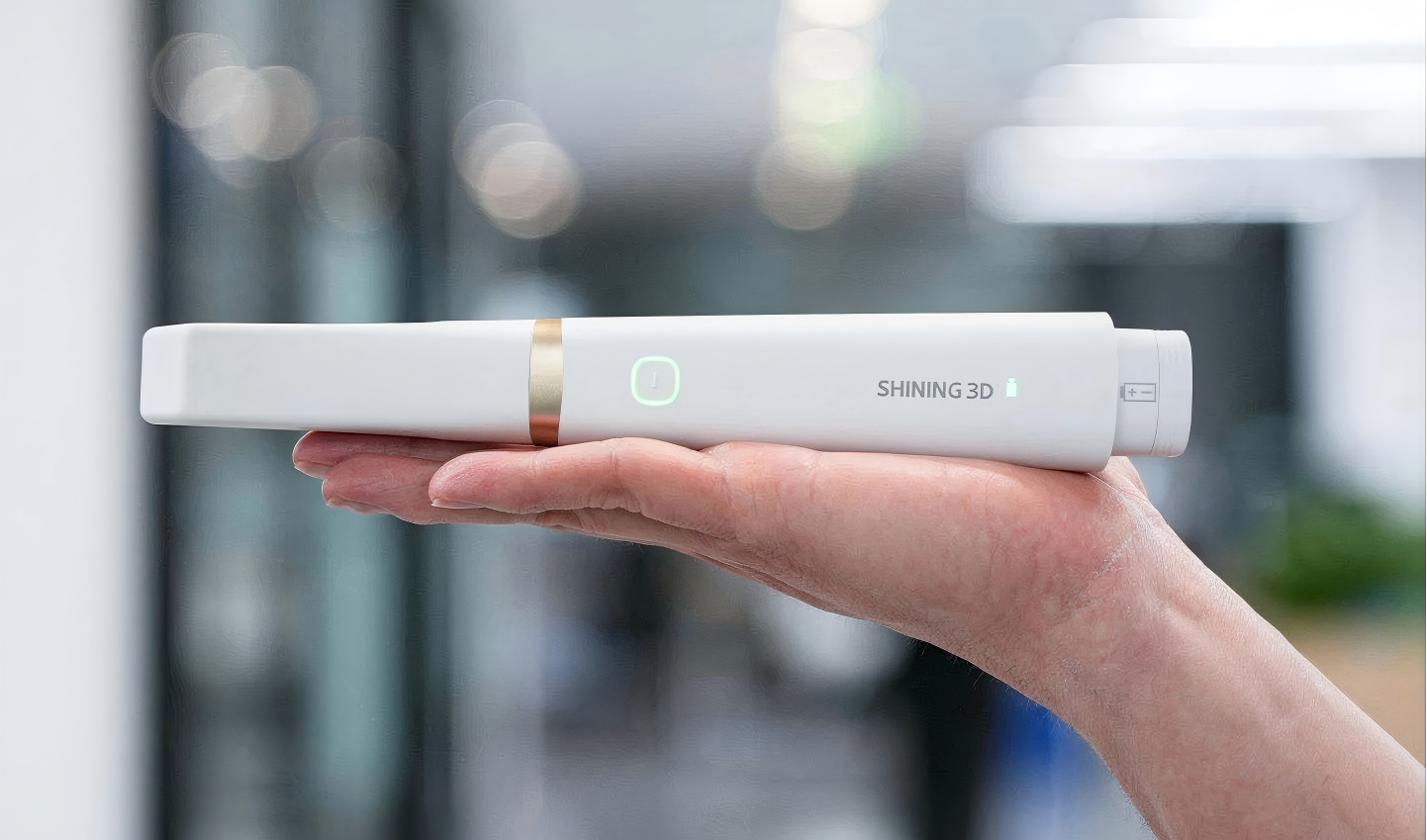
For example, the Aoralscan Elite wireless intraoral scanner provides dentists with greater flexibility during scanning procedures. Its wireless design helps improve clinical mobility, while its digital workflow capabilities support efficient data acquisition and communication.
By combining hardware performance with intelligent software, SHINING 3D Dental helps dental professionals adopt more efficient digital workflows.
How Dental 3D Scanners Improve Dentist and Patient Communication?
One major advantage of digital scanning is that it improves communication between dentists and patients. Traditional impressions often require patients to imagine treatment results from explanations or physical models.
With a dental 3D scanner, dentists can display digital models immediately and explain:
l Existing dental conditions.
l Recommended treatment options.
l Restoration designs.
l Orthodontic changes.
Visual communication helps patients better understand their treatment plans and make more informed decisions. For dentists, digital models provide a clearer way to discuss treatment details and collaborate with dental laboratories.
Benefits of Using Dental 3D Scanners Instead of Traditional Impressions
Many dental practices adopt digital scanners because they offer several workflow advantages.
1. Improved Patient Comfort
Some patients experience discomfort with traditional impression materials. Digital scanning provides a cleaner and more comfortable alternative.
2. Faster Data Transfer
Digital files can be sent electronically to laboratories, reducing transportation time and improving collaboration.
3. Better Data Storage
Digital impressions can be stored securely and accessed when needed for future treatment planning.
4. More Efficient Workflows
Scanning data can connect directly with design and manufacturing systems, reducing manual procedures.
These benefits make digital scanning an increasingly important technology in modern dentistry.
What Should Dentists Consider When Choosing a Dental 3D Scanner?
Selecting the right scanner requires evaluating several factors beyond basic scanning ability.
Important considerations include:
l Scanning accuracy and consistency.
l Software compatibility.
l Supported clinical applications.
l Ease of operation.
l Technical support and training.
Different dental practices may have different requirements depending on their treatment focus and patient volume. A suitable dental 3D scanner should fit naturally into the existing workflow and provide long-term value for the practice.
The Future of Dental 3D Scanning Technology
Dental scanning technology continues to develop with improvements in artificial intelligence, software integration, and automation. Future digital workflows are expected to connect more technologies, including facial scanning, movement analysis, and automated treatment planning.
As digital dentistry advances, the intraoral scanner will continue to serve as a foundation for collecting accurate patient data. Combined with other digital solutions, it will help dentists create more personalized and efficient treatment experiences.
Conclusion
Dentists use dental 3D scanners to capture digital impressions, improve treatment planning, and support a wide range of procedures, including restorations, implants, orthodontics, and cosmetic dentistry. An intraoral scanner provides accurate digital data that helps professionals work more efficiently while improving patient communication.
With solutions such as SHINING 3D DENTAL‘s Aoralscan series, dental professionals can integrate advanced scanning technology into modern clinical workflows. As digital dentistry continues to evolve, dental 3D scanners will play an increasingly important role in creating accurate, efficient, and patient-focused dental care.
