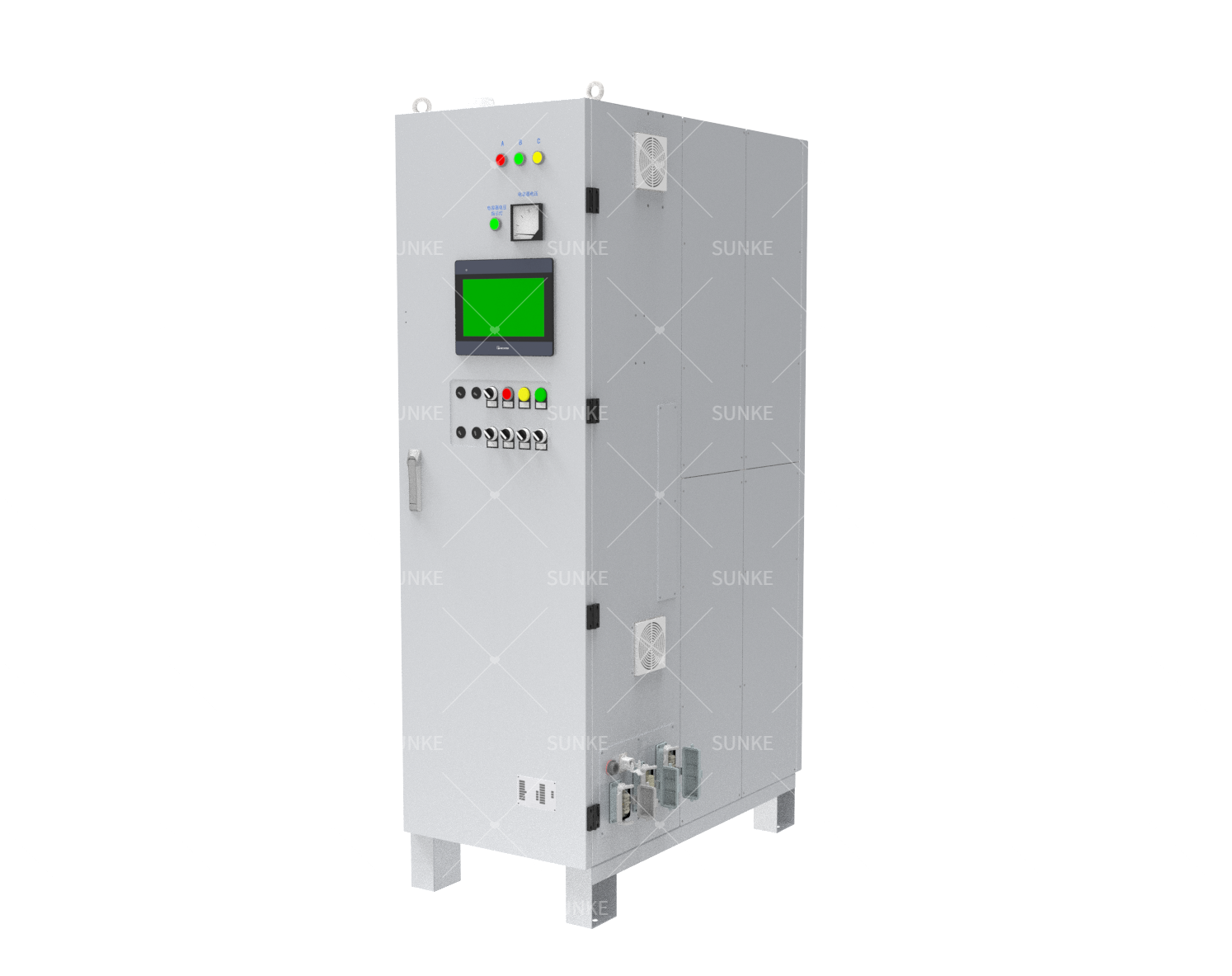
Purchasing welding equipment involves more than comparing quotations or checking a specification sheet. Manufacturers must consider production requirements, technical support, integration costs, and the consequences of equipment downtime. A resistance welding controller that performs well in one factory may require different configuration or support arrangements in another.
Comparing domestic and international suppliers through practical operating requirements helps production engineers, purchasing managers, and system integrators make decisions based on long-term suitability rather than price alone.
Technical Compatibility and Application Requirements
Domestic suppliers may offer easier access to local engineers, faster communication, and support that reflects regional manufacturing practices. These advantages can simplify commissioning, particularly when a production line uses customized fixtures or older welding equipment. However, the quality of technical documentation and the supplier’s experience with a particular application still require careful evaluation.
International suppliers often serve customers across several industries and markets, giving buyers access to a wider variety of equipment configurations. Their products may suit specialized requirements in automotive assembly, electronics manufacturing, or battery production. Differences in terminology, electrical standards, and communication protocols can add complexity, making compatibility checks essential before an order is placed.
A welding controller supplier should be able to explain how its equipment matches the welding transformer, power supply, electrode arrangement, and intended operating cycle. Buyers should request the relevant wiring diagrams, interface specifications, and supported operating parameters. These details help determine whether a controller can be integrated directly or requires additional engineering work.
Pricing, Delivery and Total Ownership Costs
The purchase price represents only one part of equipment expenditure. Installation, electrical modifications, operator training, spare parts, and future maintenance may significantly affect the total cost over the equipment’s service life. A lower initial quotation can become less attractive if integration takes longer than expected or replacement components are difficult to obtain.
Domestic sourcing may reduce freight costs and simplify communication across time zones, while international procurement can provide access to configurations that are less readily available in the local market. Neither option is automatically less expensive. Import duties, exchange-rate movements, shipping arrangements, and local service coverage should all be considered when comparing quotations.
For procurement teams, a resistance welding controller should be assessed against a consistent list of technical and commercial requirements. Comparing equivalent output ratings, control functions, delivery commitments, warranty terms, and maintenance provisions makes supplier quotations easier to interpret. A lifecycle cost estimate can also reveal whether a modest upfront saving creates additional operational expenses later.
After-Sales Support and Troubleshooting
Equipment failures become particularly costly when a production line depends on stable welding cycles. Local suppliers may be easier to reach during urgent repairs, but response speed depends on staffing, spare-parts availability, and service agreements. Buyers should clarify whether support includes remote diagnostics, on-site assistance, and guidance for resolving controller alarms.
International suppliers may provide structured technical documentation and remote assistance, although time-zone differences and language barriers can slow communication. Before purchasing, manufacturers should confirm the availability of replacement boards, compatible accessories, and troubleshooting instructions. Integrators should also establish which party is responsible for diagnosing faults involving the controller, transformer, and external automation equipment.
A reliable welding controllers supplier should explain the practical support process rather than relying on broad service promises. Clear escalation procedures, documented warranty conditions, and accessible technical contacts give maintenance teams a more realistic understanding of what happens when a fault interrupts production.
Evaluating Specifications and Supplier Reliability
Technical specifications offer a useful starting point, but individual ratings must be interpreted in the context of the intended application. Input voltage compatibility, output characteristics, control functions, and operating limits all influence whether a unit can work within an existing welding setup. Buyers should also check applicable electrical standards and request clarification whenever published specifications leave room for interpretation.
Regardless of whether a supplier is domestic or international, buyers can apply a consistent set of evaluation criteria. This resistance welding solution provider evaluation checklist outlines key considerations such as technical capabilities, integration support, customization, and after-sales service.
For capacitor-discharge applications, Sunke offers welding equipment with energy-storage capacities of 10, 20, 30, and 40 kJ, depending on the configuration. The available input-power range and operating requirements should be confirmed against the specifications of the selected model. Buyers should also evaluate the welding process, load compatibility, and required energy delivery before approving installation.
A resistance welding controller should also be evaluated through application-specific testing. Sample welds, repeatability checks, and inspection against the required joint criteria can reveal limitations that a specification sheet cannot. For manufacturers with strict quality requirements, documented acceptance tests are especially valuable when comparing equipment from suppliers operating in different markets.
Conclusion
The distinction between domestic and international sourcing is less important than the fit between equipment capabilities, production conditions, and the support available after installation. Manufacturers benefit from comparing verified technical data, realistic ownership costs, and clearly defined service arrangements before making a commitment.
Sunke provides resistance welding control equipment that purchasing teams and system integrators can evaluate against their electrical requirements and application needs, with final decisions guided by compatibility checks and practical welding trials.