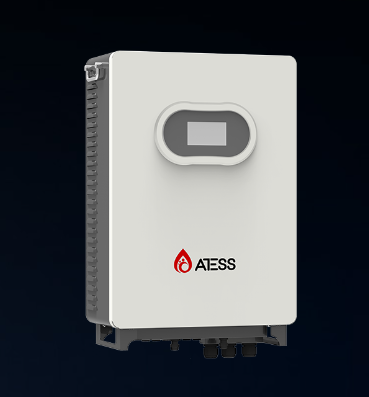
Professionals often encounter complex energy storage configurations when designing modern installations. Integrating a hybrid inverter allows facilities to manage energy flow effectively by connecting solar arrays, battery storage, and the electrical grid simultaneously. When operators utilize a Solar Inverter with Battery setup, they gain the ability to store excess power for later use, which enhances the reliability of the onsite energy infrastructure.
Technical Integration of Energy Systems
The core function of these units centers on power conversion efficiency. A hybrid inverter manages the DC-to-AC conversion process while coordinating charging protocols for connected battery modules. By centralizing these controls, they simplify the electrical architecture, as the system does not require separate hardware for solar management and energy storage.
Systems configured as a Solar Inverter with Battery solution prioritize load management and self-consumption. They monitor real-time generation and demand, directing power to the site loads first and then sending surplus energy to the storage unit. This balanced approach ensures that the facility maintains steady energy availability even during grid fluctuations.
Operational Benefits for Facilities
Reliability remains a primary goal for any energy project. By implementing a hybrid inverter, facilities can maintain consistent power output, providing a functional buffer against intermittent supply. The hardware design ensures that energy transitions between sources happen seamlessly, minimizing the impact of grid-side instability on sensitive operations.
The efficiency of a Solar Inverter with Battery arrangement depends on the specific hardware protocols configured by technicians. Properly calibrated systems optimize the cycle life of the storage components by managing charge depth and discharge rates precisely. Consistent monitoring and professional configuration ensure that these units perform as expected, providing stable power output over the long term.
Energy management strategies continue to evolve as Jmore facilities adopt integrated hardware. The Atess systems provide a structured approach to power utilization, allowing for greater control over energy storage and consumption patterns. As technical requirements grow more sophisticated, such solutions offer a practical framework for supporting energy independence and operational stability.