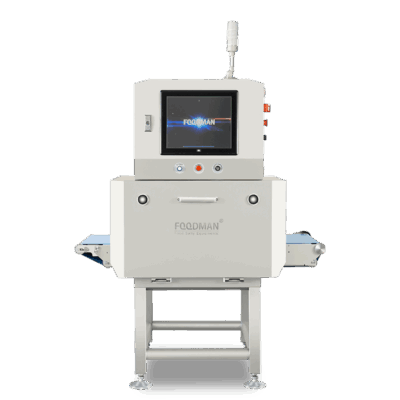
Processing high-volume protein lines presents severe contamination risks that threaten consumer health and brand integrity. Abattoirs and commercial fisheries handle dense, variable raw materials where legacy metal detectors frequently fail to isolate low-density bone splinters or marine pin bones.
Modern packaging facilities must therefore adopt an advanced X-ray food inspection methodology to safeguard their product streams effectively. Deploying this non-destructive radiation technology ensures complete compliance with global food safety regulations while maintaining maximum factory throughput speeds.
Protein Safety Challenges Across Abattoir and Fishery Lines
High-speed abattoirs and commercial fisheries face strict consumer safety mandates regarding hidden skeletal fragments in protein products. Traditional magnetic screening tools frequently struggle because calcified bone, cartilage, and marine spines exhibit low electrical conductivity that mimics organic tissue.
Raw muscle matrices and deep-sea fillets constantly absorb and scatter foreign materials during automated butchering or manual filleting procedures. Finding these hidden defects demands an advanced technological approach that penetrates dense organic tissue without damaging perishable food items.
Deploying specialized systems resolves complex contamination risks by transforming internal density variations into high-resolution digital images. Modern food processors rely heavily on this radiation-based technology to intercept hazardous splinters before retail networks take delivery.
Establishing baseline safety parameters requires a thorough understanding of biological variations across different livestock and marine species. Plant operators must balance radiation exposure limits with optimal image clarity during continuous multi-shift production cycles.
Contrasting Meat and Seafood Matrix Densities
Meat processing lines handle heavy, thick beef roasts, dense pork cuts, and irregular poultry portions containing large skeletal structures. These thick protein profiles create massive background density variations that complicate baseline imaging calibration during daily manufacturing shifts.
Seafood operations process delicate whitefish fillets, salmon cuts, and fragile crustaceans under sub-zero or high-moisture operating conditions. Deep-sea species introduce unique challenges due to translucent flesh and microscopic pin bones that blend seamlessly into surrounding muscle tissue structures.
Both sectors require distinct software thresholds to separate legitimate foreign hazards from normal anatomical variations. Recognizing these structural differences ensures that an industrial X-ray food inspection system can adapt dynamically to shifting protein recipes on the factory floor without operator delay.
Facility managers must evaluate specific product absorption rates to select generator power ratings matching factory throughput requirements. Proper equipment sizing guarantees uncompromised defect capture across diverse animal and marine categories without slowing line velocity.
Dual-Energy Attenuation and Skeletal Differentiation Physics
Ionizing radiation penetrates deep into organic material based on atomic number and local thickness variations across the product stream. High-energy X-ray photons lose intensity as they encounter dense mineral deposits like calcium in bone structures during scanning.
Linear diode arrays measure residual radiation levels to construct detailed gray-scale representations of the internal product matrix. Single-energy scanners often struggle when thick fat folds mimic the density profile of small skeletal splinters during high-speed runs.
Advanced dual-energy configurations transmit alternating high- and low-frequency photon spectra simultaneously through the protein stream. This dual-spectrum physics separates organic tissue from inorganic minerals mathematically, isolating bone shards from overlapping muscle folds with exceptional accuracy.
Optimizing generator voltage parameters prevents protein cell damage while maintaining exceptional contrast resolution for small defects. Plant technicians perform daily calibration routines to verify that baseline attenuation measurements remain accurate under varying operating shifts.
Algorithmic Processing for Pin Bones and Shell Fragments
Detecting microscopic fish pin bones in salmon or fragile crustacean shell fragments requires specialized mathematical filtering algorithms. Standard edge-detection filters often overlook slender, low-density marine spines hidden inside wet fish fillets during standard commercial sorting runs.
Specialized neural networks trained on thousands of seafood and meat samples analyze jagged edge gradients within milliseconds of exposure. Equipment built by Foodman applies advanced real-time contrast enhancement to flag these delicate marine impurities instantly on the display screen.
Parallel processing lanes evaluate multiple protein portions simultaneously inside multi-lane commercial packaging lines. This high-speed software pipeline ensures that throughput speeds remain entirely unaffected during heavy industrial production shifts across major processing plants.
Quality assurance supervisors configure custom software profiles to monitor missing components and seal integrity concurrently. Secure database logging records every classification event for comprehensive plant traceability audits and strict regulatory compliance reviews.
Sanitary Conveyor Integration and High-Speed Rejection
Harsh sanitation protocols in meatpacking plants and fish processing facilities demand robust structural engineering. Hermetically sealed enclosures and IP69K-rated components withstand aggressive daily chemical washdowns without moisture intrusion or electrical component corrosion over years of use.
Once software algorithms identify a contaminated portion, high-speed pneumatic pushers or air-blast manifolds divert the defective item instantly. Modular units engineered by Foodman synchronize conveyor velocity with rejection timers to prevent collateral product loss in busy processing zones.
Comprehensive electronic recordkeeping captures secure audit logs, timestamps, and product images for regulatory review. Utilizing a dependable X-ray food inspection platform protects brand equity and fulfills global safety mandates across competitive retail markets everywhere.
Strategic positioning along processing chains maximizes defect capture efficiency before secondary packaging occurs. Long-term operational reliability depends on scheduled maintenance and adherence to manufacturer component guidelines across all active operational shifts.
Securing Consumer Trust Through Advanced Inspection
Navigating the complex demands of protein packaging requires reliable technology designed specifically for harsh operating environments. Food manufacturers must prioritize equipment that delivers consistent performance across varying moisture and temperature conditions daily.
Deploying precise radiation-based screening prevents costly product recalls and strengthens customer confidence across retail distribution networks worldwide. Advanced inspection solutions provided by Foodman Vision deliver precise detection capabilities required for complex meat and seafood packaging environments.
Integrating modern screening technology into active production lines ensures complete compliance and commercial success worldwide. Selecting the right radiation screening equipment guarantees uncompromised quality control from abattoir to consumer shelf every single day. Producers investing in upgraded inspection systems secure a distinct competitive advantage in domestic and export markets alike.