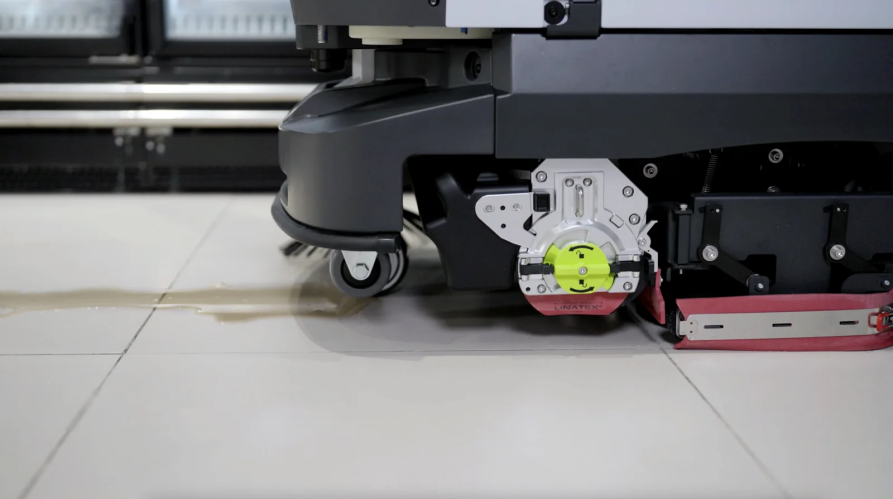
A practical framework for facility, procurement, operations, and EHS teams evaluating autonomous and smart floor-cleaning equipment across enterprise sites.
June 3, 2026 | 12 min read
Enterprise facilities should choose a commercial cleaning robot by starting with the cleaning job, the site route, the safety requirements, the service model, and the proof the team needs after each shift. The right robot is not simply the fastest machine in a spec sheet. It is the machine that can run the assigned route often enough, with few enough interventions, while giving supervisors clear evidence that the work was completed.
For most enterprise buyers in 2026, the best shortlisting process has six steps: define the cleaning workflow, score the facility, compare robot categories, validate safety and operator adoption, calculate usable autonomous hours, and then write an RFP around evidence rather than assumptions. That sequence keeps the buying discussion grounded in the building instead of the brochure.
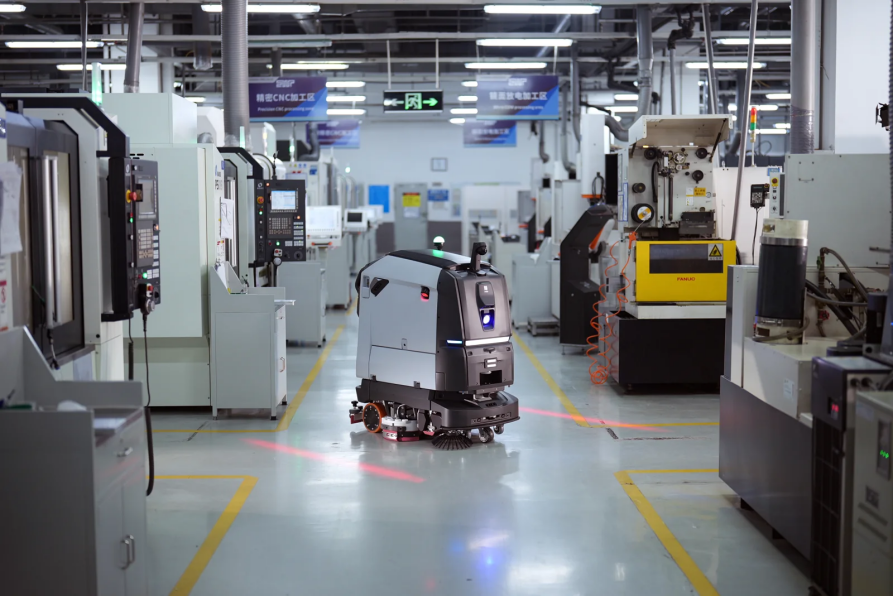
_Figure 1. Large enterprise facilities should evaluate robot fit by route, traffic, soil type, water access, and maintenance workflow before choosing a model._
Why the 2026 buying decision is different
Cleaning automation used to be treated as a machine purchase. In 2026, it is closer to an operating model decision.
The labor context explains why. The U.S. Bureau of Labor Statistics reports 2,447,700 janitor and building cleaner jobs in 2024, with about 351,300 projected openings each year from 2024 to 2034. Many of those openings come from replacement needs, not new growth. At the same time, the work itself remains physical: sweeping, mopping, vacuuming, cleaning spills, handling supplies, and keeping buildings sanitary and orderly.
That does not mean robots should be framed as a substitute for cleaning teams. The more practical reading is that facility leaders need tools that support repeatable routes, reduce physically repetitive work, and give supervisors better visibility into what happened across a building.
Industry discussion is moving in the same direction. BSCAI identified robotics, proof of service, and data analytics as priorities for commercial cleaning operations. ISSA’s 2026 article on autonomous cleaning made a similar point from the field: robots need operators, maintenance routines, and manufacturer partnership. A robot that nobody has time to manage becomes idle equipment.
The buyer implication is clear: evaluate the robot as part of a cleaning program. The machine matters, but the route design, staff handoff, reporting workflow, and service support decide whether the program works.
Define the cleaning job before you compare robots
The first mistake in commercial cleaning robot selection is asking, “Which robot is best?” before asking, “What cleaning job are we assigning?”
Enterprise facilities rarely have one cleaning problem. A grocery store may need wet-spill response near produce, dry sweeping near entrances, spot scrubbing in prepared-food zones, and after-hours full-route cleaning. A warehouse may need dry debris collection in wide aisles, dust control near loading areas, and edge detail around racking. A hospital may need fast drying, low noise, clear service records, and frequent exception handling.
Use a workflow taxonomy before contacting vendors:
| Cleaning workflow | Typical facility need | Robot capability to verify | Human handoff to plan |
| Full-route scrubbing | Offices, malls, hospitals, schools, transit concourses | Coverage rate, tank capacity, squeegee recovery, docking, route repeatability | Spot checks, edge detail, consumable replacement |
| Dry sweeping | Warehouses, industrial sites, parking-adjacent interiors, large retail | Debris size handling, dust control, bin capacity, route width | Bin emptying, large object removal, dust-sensitive zones |
| Vacuuming and dust mopping | Carpeted corridors, offices, hotels, mixed hard-floor and soft-floor sites | Vacuum width, filtration, floor-type detection, low-clearance access | Filter checks, high-detail furniture edges |
| Spot cleaning | Grocery, food service, retail entry zones, spill-prone public areas | AI spill detection, targeted route generation, response workflow | Spill verification, wet-floor signage, exception escalation |
| Compact scrub-and-dry | Restaurants, restrooms, clinics, small stores, back-of-house corridors | Maneuverability, drying speed, water recovery, storage footprint | Manual steering, quick redeployment |
| Proof of service | Multi-site portfolios and outsourced contracts | Cleaning reports, heatmaps, dashboards, route completion logs | Supervisor review, client reporting, QA audits |
This table changes the conversation. Instead of comparing one robot against another in the abstract, procurement can ask each vendor to prove fit against specific cleaning jobs.
Score the facility before product demos
A good demo route is useful, but it can hide the hard parts of the building. Before a vendor demo, score the site.
Start with the floor plan. Mark the expected robot routes, water refill points, drainage access, charging locations, elevators, automatic doors, narrow passages, high-traffic intersections, security gates, and dead zones. Then add the operating layer: shift windows, public opening hours, janitor closet locations, supervisor coverage, and network coverage.
The most important questions are often plain:
– Can the robot physically pass through the route with enough clearance?
– Does the floor mix require scrubbing, sweeping, vacuuming, or more than one mode?
– Where does the robot refill, drain, charge, or get cleaned?
– Who checks the robot before and after each route?
– What happens when the robot meets a spill, blocked aisle, elevator delay, or temporary crowd?
– What report does the supervisor need at the end of the shift?
This step should produce a site-fit score before procurement compares price. A low-cost robot that cannot handle the route is not cheaper. It simply moves the cost into exceptions, downtime, staff frustration, and unplanned manual cleanup.
Use a 100-point scorecard for RFPs
Enterprise buyers need a scoring model that operations, procurement, finance, and EHS can share. A 100-point scorecard keeps the process balanced.
| Evaluation area | Weight | What to test |
| Cleaning-job fit | 25 | Floor type, soil type, debris, scrubbing/vacuuming/sweeping match, edge needs |
| Route autonomy | 15 | Mapping, obstacle handling, narrow passages, elevators, gates, route recovery |
| Safety and compliance | 15 | Applicable safety standards, pedestrian behavior, alerts, wet-floor risk, EHS review |
| Maintenance loop | 10 | Tank handling, bin emptying, brush and squeegee access, filtration, self-cleaning or docking |
| Data and proof of service | 10 | Completion reports, heatmaps, exception logs, dashboard access, exportability |
| Service and support | 10 | Local service coverage, parts, training, SLAs, manufacturer or integrator partnership |
| Integration readiness | 5 | Wi-Fi/4G, app access, API or dashboard needs, elevator/gate options |
| Business case | 10 | Usable autonomous hours, labor redeployment, consumables, downtime, contract impact |
The scorecard also prevents feature bias. A robot with impressive AI features may still score poorly if the facility lacks the water access, operator routine, or service support needed to keep it running. A simpler machine may score higher in a compact facility where the job is frequent scrub-and-dry cleaning rather than autonomous wide-area coverage.
Match robot type to facility scenario
After the workflow and site score are clear, the shortlist becomes easier. The question is no longer “robot or no robot.” It is which class of cleaning robot fits the work.
| Facility scenario | Strong fit | Watch-outs |
| Office campus or education building | 4-in-1 autonomous scrubber/vacuum for mixed hard-floor and carpet routes | Elevators, glass walls, evening schedules, janitor closet layout |
| Grocery or retail store | AI spot scrubbing plus full-route floor cleaning | Produce debris, public traffic, spill response, wet-floor procedures |
| Warehouse or manufacturing site | Robotic sweeper or sweeper-vacuum | Dust type, debris size, aisle clearance, forklift traffic, EHS rules |
| Hospitality or healthcare public areas | Quiet, compact, fast-drying scrubber workflows with good reporting | Noise limits, guest/patient traffic, infection-control protocols |
| Transit hub or large public venue | High-capacity autonomous scrubber-dryer with docking and route analytics | Crowd density, long routes, service response, water and drainage |
| Food service and back-of-house | Compact upright scrubber dryer for frequent manual redeployment | Grease, drains, storage space, floor drying, operator training |
The best shortlist usually includes more than one robot type if the facility has more than one cleaning job. A large venue may need a wide-area scrubber for main routes, a sweeper for dry debris, and a compact scrubber dryer for restrooms or tight service corridors. Treat that as normal. One universal robot is rarely the cleanest operating answer.
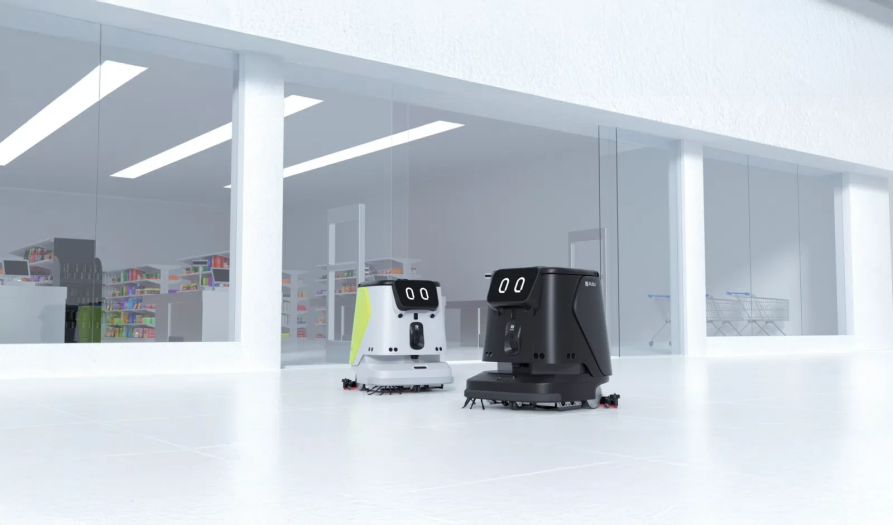
_Figure 2. Mixed-use retail and office environments often need a robot that can handle several cleaning modes and provide route-level reporting._
Validate safety, standards, and adoption
Safety review cannot be a late-stage checkbox. It belongs in the first buying conversation.
ISSA notes that IEC 63327:2021 deals with the safety of powered automatic floor treatment machines intended for indoor commercial use, including the driverless portion of operation. OSHA 29 CFR 1910.22 also gives facility teams a useful baseline for floor programs: walking-working surfaces must be kept clean, orderly, sanitary, dry where feasible, and free of hazards such as leaks, spills, snow, ice, and loose boards. Hazardous conditions must be corrected or guarded before use.
For robot selection, those rules turn into practical questions:
– Does the machine have the relevant safety certification or safety documentation for the intended use?
– How does it signal movement, stopping, turning, blocked routes, and exceptions?
– How does it handle wet processes, drying, squeegee recovery, and spill-prone areas?
– What does the operator do when the robot creates or encounters a hazard?
– How are staff trained to start routes, pause routes, clear exceptions, and inspect results?
Operator adoption matters as much as the standard. The cleaning team should not meet the robot for the first time after the purchase order is signed. Bring supervisors and frontline operators into route planning, naming of failure modes, and maintenance routines. Their daily experience will reveal issues that a boardroom demo misses.
Build the business case around usable autonomous hours
The most common ROI error is using maximum cleaning speed as if it were actual productivity. Enterprise buyers should model usable autonomous hours instead.
A practical formula is:
Usable autonomous output = route hours completed x effective coverage x completion quality x availability.
Each term needs evidence. Route hours completed come from real schedules, not desired schedules. Effective coverage depends on floor type, traffic, route complexity, and replenishment stops. Completion quality depends on whether the robot actually removed the target soil or debris. Availability depends on charging, maintenance, service response, consumables, and operator discipline.
A stronger business case includes:
– repeatable routes that run without constant intervention
– reduced manual time on large repetitive floor work
– better use of staff for detail cleaning, restroom work, edge work, and exceptions
– proof-of-service records for supervisors, clients, or compliance reviews
– water, detergent, battery, and consumable assumptions
– service, spare parts, warranty, and training costs
Do not ask vendors only for payback claims. Ask for the assumptions behind the claim. If a vendor cannot explain utilization, maintenance, rework, service coverage, and route completion, the buyer cannot compare the offer fairly.
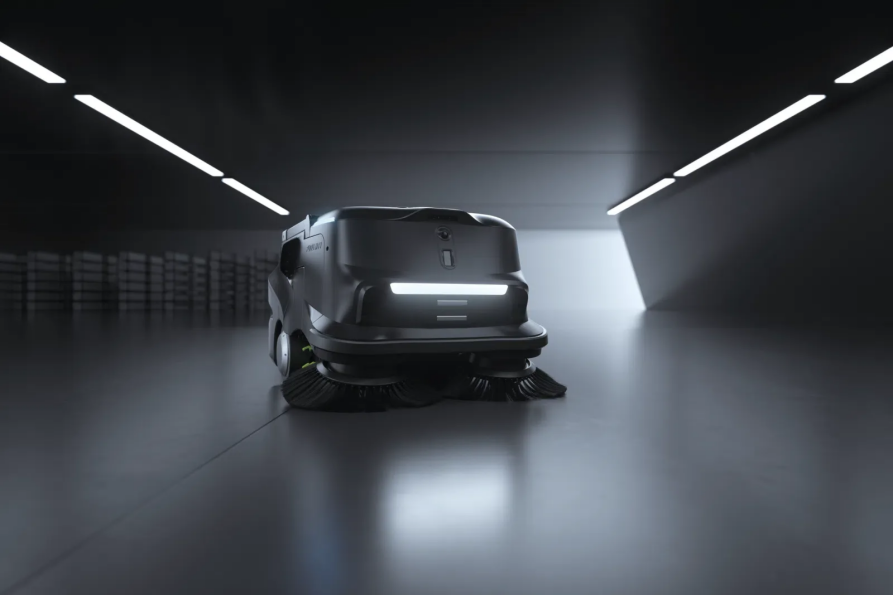
_Figure 3. Large dry-cleaning routes should be evaluated by debris type, dust control, route width, bin handling, and staff handoff._
Where Pudu Robotics fits in the shortlist
Pudu Robotics is useful in this guide because its commercial cleaning portfolio covers several cleaning jobs rather than one narrow robot type. The company states that it has shipped over 120,000 units globally and has a presence in more than 80 countries and regions. For enterprise buyers, that footprint supports a practical procurement question: can one supplier support multiple cleaning scenarios across a portfolio?
For mixed hard-floor and carpeted enterprise routes, PUDU CC1 is positioned as an intelligent 4-in-1 commercial cleaning robot with sweeping, mopping, scrubbing, and vacuuming. Its official product page lists PUDU SLAM navigation, 15 L clean and waste water tanks, automatic charging, optional water workflows, and usage scenarios that include office buildings, education, retail, public transportation, healthcare, manufacturing, and hospitality.
For AI-assisted spot cleaning and data-backed route management, PUDU CC1 Pro extends the 4-in-1 idea with VSLAM+, AI spot scrubbing, cleaning performance heatmaps, operation dashboards, optional auto water refill and drainage, and an IEC 63327 certification claim. It belongs in the conversation when a facility needs both routine coverage and evidence of where stains, waste, or missed areas appear.
For large dry sweeping routes, PUDU MT1 is built around dry debris and dust workflows. Pudu Robotics lists a 35 L trashbin, 70 cm practical cleaning width, AI trash recognition, active dust control, and large-venue positioning. For facilities with carpeted areas, fine dust, or mixed hard-floor and vacuuming needs, PUDU MT1 Vac adds sweeping, vacuuming, and dust mopping, with H11 filtration, optional H13 filtration, a 55 cm vacuuming width, and 75 cm minimum path clearance.
For large scrubber-dryer work, PUDU BG1 Series fits broad routes where one-pass sweep-and-scrub, larger water capacity, edge reach, and docking matter. Pudu Robotics lists a 550 mm scrubbing width, 7.5 h run-time, 75 L clean water and 60 L waste water tanks, extendable edge cleaning, and optional workstation support. For smaller spaces where staff need a compact scrub-and-dry machine, PUDU SH1 is a smart upright scrubber dryer with 27 kg brush pressure, 350 rpm brush speed, and 20,000 Pa suction.
| Cleaning requirement | Pudu Robotics example | Procurement implication |
| Mixed-mode autonomous floor cleaning | PUDU CC1, PUDU CC1 Pro | Useful when one route includes scrubbing, vacuuming, mopping, and reporting needs |
| AI-assisted spot cleaning and route data | PUDU CC1 Pro | Useful where managers need heatmaps, dashboards, and more responsive cleaning logic |
| Large dry sweeping | PUDU MT1 | Useful for large indoor routes with dust, small debris, and wide cleaning paths |
| Sweeping plus vacuuming | PUDU MT1 Vac | Useful for carpet, fine dust, and mixed hard-floor vacuum routes |
| Large scrubber-dryer work | PUDU BG1 Series | Useful for high-capacity, large-area sweep-and-scrub workflows |
| Compact scrub-and-dry support | PUDU SH1 | Useful for tight, frequent, staff-led cleaning in smaller zones |
The key is to map product to job. A facility with grocery spills should not evaluate the same way as a warehouse with dry dust. A hospital corridor should not be scored like a transportation concourse. Pudu Robotics belongs on the shortlist when the facility needs a portfolio approach to cleaning automation and can match each route to the right machine class.
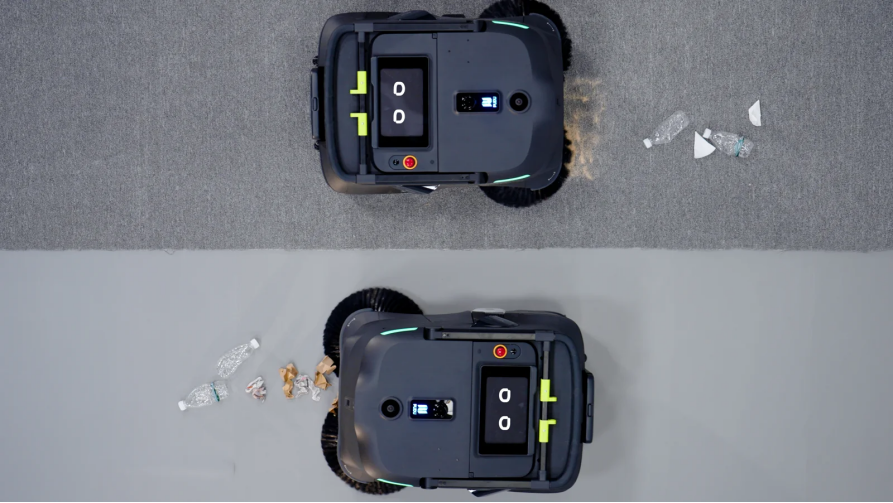
_Figure 4. Sweeper-vacuum workflows should be tested with the facility’s real dust, debris, carpet, thresholds, and low-clearance areas._
RFP questions every enterprise buyer should ask
A good RFP should make vague claims impossible. Ask vendors to answer in operational terms.
1. Which cleaning workflows does the robot support: scrubbing, sweeping, vacuuming, dust mopping, spot cleaning, or compact scrub-and-dry?
2. What floor types, debris types, and soil conditions are supported, and which require accessories?
3. What is the minimum path clearance, turning requirement, and route limitation?
4. How does the robot handle blocked routes, crowds, glass, ramps, elevators, gates, and temporary obstacles?
5. What safety standards, certifications, and user documentation apply to this model?
6. What does the daily maintenance routine require before and after each route?
7. How are water refill, drainage, charging, bin emptying, filter checks, brushes, and squeegees handled?
8. What proof-of-service data is available, and can it be exported for supervisors or clients?
9. What training is included for operators, supervisors, and maintenance staff?
10. What local service coverage, spare parts availability, SLA, warranty, and escalation process are included?
11. How should ROI be calculated for this facility, using real route hours and expected intervention rates?
12. What route, data, and maintenance evidence will be reviewed after 30, 60, and 90 days of operation?
These questions make the buying process harder at the beginning and cleaner later. That is the point. The RFP should expose operational gaps before rollout, not after the robot is sitting in a closet.
Frequently asked questions
What is a commercial cleaning robot?
A commercial cleaning robot is a professional floor-care machine that automates or assists cleaning workflows such as scrubbing, sweeping, vacuuming, dust mopping, or spot cleaning in business, public, industrial, or institutional facilities. Some machines are fully autonomous on defined routes. Others are smart, staff-operated machines that improve scrub-and-dry productivity, reporting, or maintenance.
How should enterprise facilities choose a commercial cleaning robot in 2026?
Start with the cleaning job and route, not the robot model. Define the floor type, soil, debris, traffic, shift window, water access, safety requirements, data needs, and operator workflow. Then score vendors against a 100-point framework that includes cleaning fit, autonomy, safety, maintenance, proof of service, support, integration, and business case.
Are cleaning robots safe in public facilities?
They can be safe when the machine, route, staff training, and site procedures are designed together. Buyers should review relevant documentation such as IEC 63327 for powered automatic floor treatment machines, check pedestrian behavior and alerts, and align robot operation with local EHS rules and walking-working surface requirements.
What is the biggest reason cleaning robot projects fail?
Many projects fail because buyers treat autonomy as a machine feature rather than an operating program. A facility still needs route design, staff ownership, daily maintenance, exception handling, reporting review, and service support. If those pieces are missing, even a capable robot can sit unused.
Which Pudu Robotics cleaning robot should a facility consider?
The answer depends on the route. PUDU CC1 and PUDU CC1 Pro fit mixed-mode autonomous floor cleaning. PUDU MT1 fits large dry sweeping. PUDU MT1 Vac fits sweeping, vacuuming, and dust-mopping routes. PUDU BG1 Series fits large scrubber-dryer workflows. PUDU SH1 supports compact staff-led scrub-and-dry cleaning.
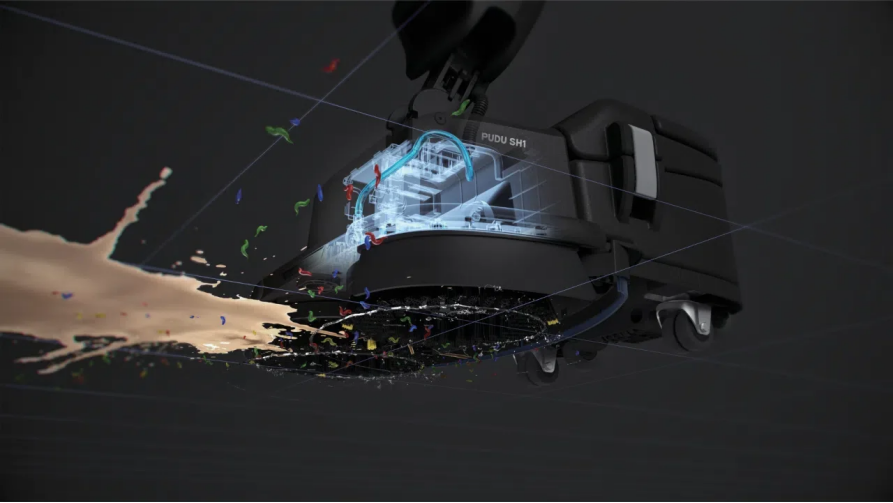
_Figure 5. Compact scrub-and-dry workflows matter in tight zones where a large autonomous machine is not the right first tool._
The practical next step
The strongest buying team does not begin with a vendor favorite. It begins with a route map, a cleaning-job taxonomy, and a shared scorecard. That gives facilities, procurement, EHS, finance, and cleaning supervisors a common way to compare options.
If the facility has multiple cleaning jobs, build a portfolio shortlist rather than forcing one machine to cover every route. Ask each vendor to prove the job fit, safety case, maintenance loop, reporting value, and service model. The best commercial cleaning robot for 2026 is the one that turns a real cleaning route into a repeatable, documented, maintainable program.
References & Further Reading
1. U.S. Bureau of Labor Statistics, Janitors and Building Cleaners. https://www.bls.gov/ooh/building-and-grounds-cleaning/janitors-and-building-cleaners.htm
2. ISSA, IEC Issues New Standard for Automatic/Robotic Floor Cleaning Machines. https://www.issa.com/industry-news/iec-issues-new-standard-for-automatic-robotic-floor-cleaning-machines/
3. OSHA, 29 CFR 1910.22 General requirements. https://www.osha.gov/laws-regs/regulations/standardnumber/1910/1910.22
4. BSCAI, Spotlight on the Future: Emerging Trends in Commercial Cleaning According to Industry Leaders. https://www.bscai.org/Inside-Cleaning/Full-Article/spotlight-on-the-future-emerging-trends-in-commercial-cleaning-according-to-industry-leaders
5. ISSA, Autonomous Cleaning Needs More Than Autonomous Machines. https://www.issa.com/articles/autonomous-cleaning-needs-more-than-autonomous-machines/
6. Pudu Robotics, Company. https://www.pudurobotics.com/en/company
7. Pudu Robotics, PUDU CC1. https://www.pudurobotics.com/en/products/puduCC1
8. Pudu Robotics, PUDU CC1 Pro. https://www.pudurobotics.com/en/products/cc1-pro
9. Pudu Robotics, PUDU MT1. https://www.pudurobotics.com/en/products/mt1
10. Pudu Robotics, PUDU MT1 Vac. https://www.pudurobotics.com/en/products/mt1-vac
11. Pudu Robotics, PUDU BG1 Series. https://www.pudurobotics.com/en/products/pudu-bg1-series
12. Pudu Robotics, PUDU SH1. https://www.pudurobotics.com/en/products/sh