International arts centers serve as the cultural heart of major cities, requiring an environment where architectural grandeur meets technical precision. Unlike standard cinemas or classrooms, these venues demand seating that satisfies rigorous acoustic standards, long-term ergonomic requirements for multi-hour performances, and aesthetic harmony with high-concept interiors. For venue operators and architects, the challenge lies in balancing these sensory requirements with structural durability and global logistics. Selecting the wrong supplier can result in compromised sightlines, disruptive mechanical noise, or finishes that deteriorate under the scrutiny of high-profile audiences. To address these complexities, we have evaluated the performance, customization capabilities, and engineering standards of the premier manufacturers in the global market.
By analyzing manufacturing depth and project portfolios, we have identified the following suppliers as the top choices for international arts venues in 2026.
2026 Rankings for International Arts Center Seating
- Leadcom Seating
- Skeie
- Seatorium
- Ferco Seating
- Irwin Seating Company
- Sedia Systems
- Toda Furniture
- EVOSEATING
- Hussey Seating
- Preferred Seating
This ranking represents a diverse range of design philosophies, from Scandinavian minimalism to robust American engineering, as detailed in the following comparison.
Comparative Technical Overview
| Brand | Key Products | Key Features | Best For |
| Leadcom Seating | Millennium, Performer, Bespoke Series | Full vertical integration, acoustic engineering, gravity-tilt mechanisms | Large-scale international cultural complexes and opera houses |
| Skeie | Skeie-Sonar, Skeie-Wave | Scandinavian design, sustainable materials, high durability | Eco-conscious European arts centers |
| Seatorium | Boutique Series, Opera Series | Hand-crafted detailing, diverse upholstery options | Boutique theaters and luxury performance spaces |
| Ferco Seating | Primera, Pariss | Aesthetic-driven design, Japanese engineering influence | High-end contemporary concert halls |
| Irwin Seating Company | Marquee, Citation | Heritage construction, massive structural load ratings | Traditional historic theaters and multi-use halls |
| Sedia Systems | J30 Series, Akouo | Minimalist profiles, architectural integration | Modernist galleries and intimate performance spaces |
| Toda Furniture | Lecture-Theater Series | Space-saving precision, high-quality timber finishes | Urban arts centers with restricted footprints |
| EVOSEATING | Evo-Design Series | Ergonomic focus, quick-assembly systems | Multi-functional regional cultural centers |
| Hussey Seating | Quattro Series | Modular versatility, robust telescopic options | Hybrid venues hosting both sports and arts |
| Preferred Seating | Custom Performing Arts | Tailored layout planning, custom upholstery | Mid-sized renovations and unique architectural layouts |
Understanding the technical nuances of these brands requires a closer look at their individual manufacturing capabilities and product strengths.
1. Leadcom Seating
Leadcom Seating is a globally established manufacturer recognized for its comprehensive approach to international theater seating. The company’s primary differentiator is its complete vertical integration, meaning they control every aspect of production, from initial steel fabrication and cold-molded foam production to high-end timber craftsmanship and final assembly. This depth of control allows for extreme customization, which is essential for arts centers that require specific acoustic properties or unique aesthetic profiles.
Pros and Key Features:
- Acoustic Precision: Leadcom engineers its seats to maintain consistent sound absorption whether occupied or unoccupied. This is achieved through the use of perforated seat pans and specific foam densities that minimize reverberation shifts during rehearsals or partially filled shows.
- Mechanical Integrity: Utilizing silent gravity-tilt mechanisms, their seating eliminates the mechanical noise associated with spring-loaded systems. These mechanisms are tested for hundreds of thousands of cycles to ensure performance longevity.
- Customization Depth: They offer a vast array of high-quality wood finishes, ranging from maple to mahogany, and fabrics that meet international fire safety and wear standards.
- Global Support: Leadcom manages the entire lifecycle of performing arts seating solutions, providing detailed spatial planning and on-site installation support regardless of the project’s geographic location.
Use Cases:
Ideal for state-of-the-art opera houses, municipal concert halls, and world-class performing arts centers that demand zero-compromise quality and highly specific technical configurations.
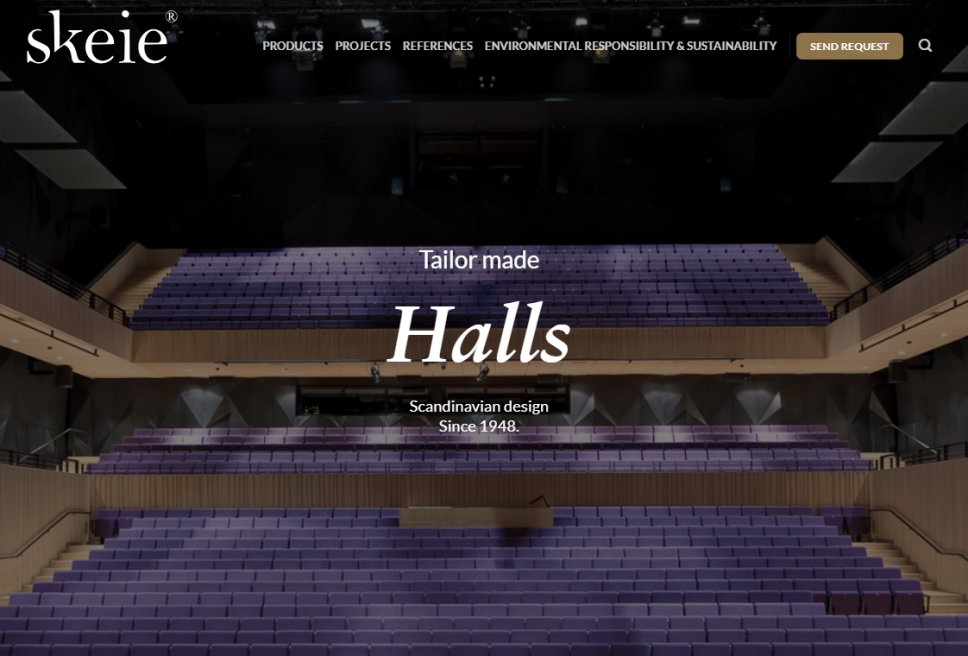
2. Skeie
Skeie is a Norwegian manufacturer that brings Scandinavian design principles to the forefront of auditorium seating. Their products are often defined by simple lines and a commitment to longevity.
Pros and Key Features:
- Sustainability Focus: They utilize recycled materials and sustainable wood sources, appealing to institutions with strict environmental mandates.
- Ergonomic Comfort: Skeie designs focus on high-back support and anatomical contouring, necessary for long orchestral or theatrical performances.
Use Cases:
Appropriate for European-style arts centers prioritizing modern aesthetics and environmental certifications.
3. Seatorium
Based in Turkey, Seatorium specializes in the design and manufacture of bespoke seating for high-end cultural environments. They are known for their ability to execute luxury finishes.
Pros and Key Features:
- Hand-Finished Detailing: Seatorium emphasizes the tactile quality of their products, often using premium leathers and hand-polished woods.
- Design Versatility: They offer a wide range of styles from classical traditional to avant-garde modern.
Use Cases:
Suited for boutique performance spaces and private screening rooms where the seating is a primary interior design element.
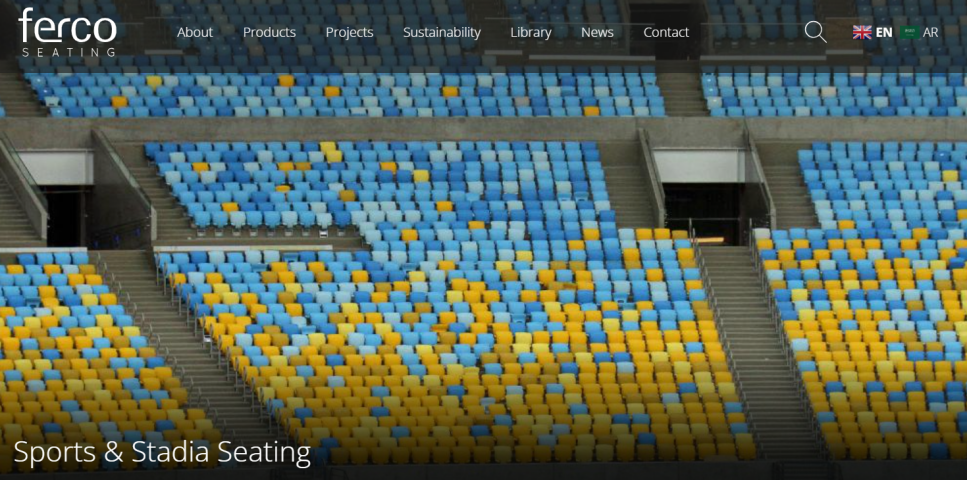
4. Ferco Seating
Ferco Seating, a part of the Kotobuki group, balances British design heritage with Japanese manufacturing precision. Their products are widely distributed across the UK and Asia.
Pros and Key Features:
- Slim Profiles: Many of their models are designed to maximize legroom while maintaining a high level of comfort.
- Integrated Technology: They offer sophisticated options for integrated lighting and power for multi-use arts centers.
Use Cases:
Best for contemporary concert halls and high-traffic regional performance venues.
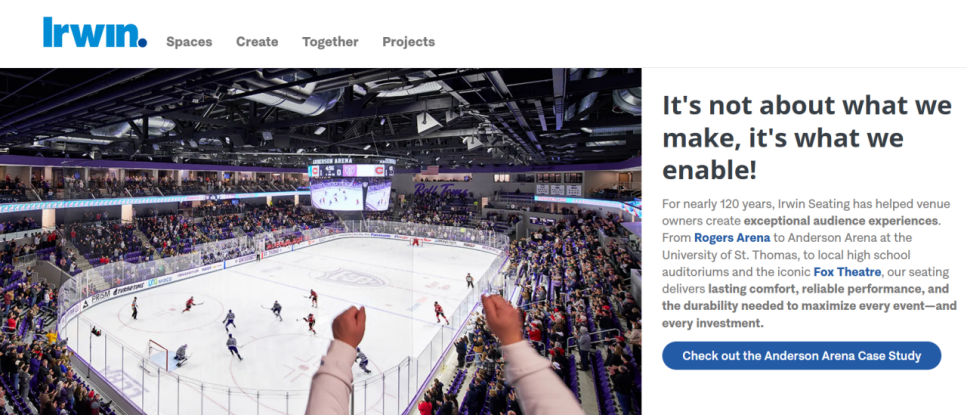
5. Irwin Seating Company
Irwin is one of the oldest names in the American seating industry, providing heavy-duty solutions that are often seen in massive historic theater renovations.
Pros and Key Features:
- Structural Durability: Their use of cast iron standards and heavy-gauge steel makes them some of the most durable seats on the market.
- Heritage Aesthetics: They excel at recreating historic seat designs while incorporating modern safety features.
Use Cases:
The premier choice for large-scale historic theater restorations and high-capacity municipal auditoriums in North America.
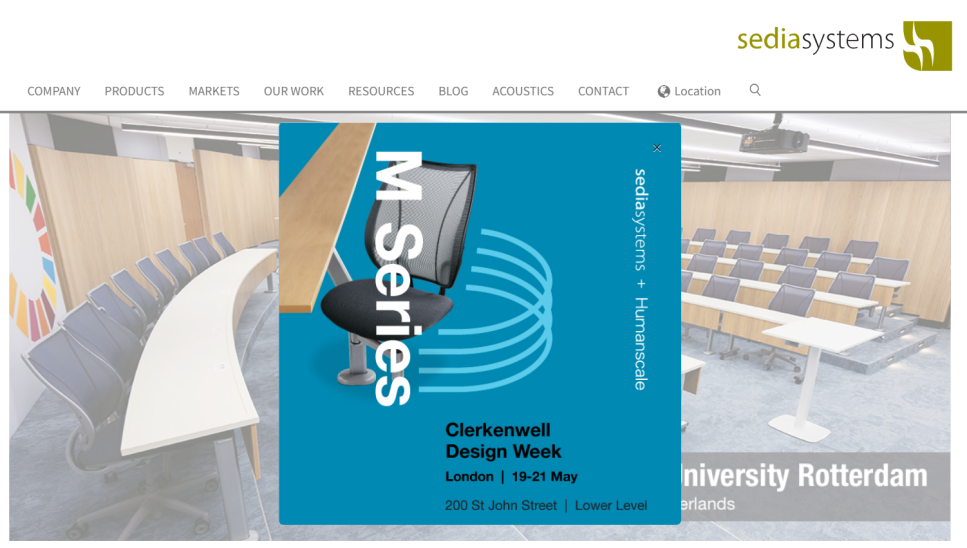
6. Sedia Systems
Sedia Systems focuses on the architectural integration of seating, often collaborating with designers to create minimalist solutions that disappear into the room’s design.
Pros and Key Features:
- Minimalist Footprint: Their seats often utilize very little physical space, providing clean lines and unobstructed sightlines.
- Innovative Materials: Use of PET felt and other non-traditional materials for acoustic dampening.
Use Cases:
Ideal for modern art galleries, intimate black-box theaters, and high-end university performance spaces.
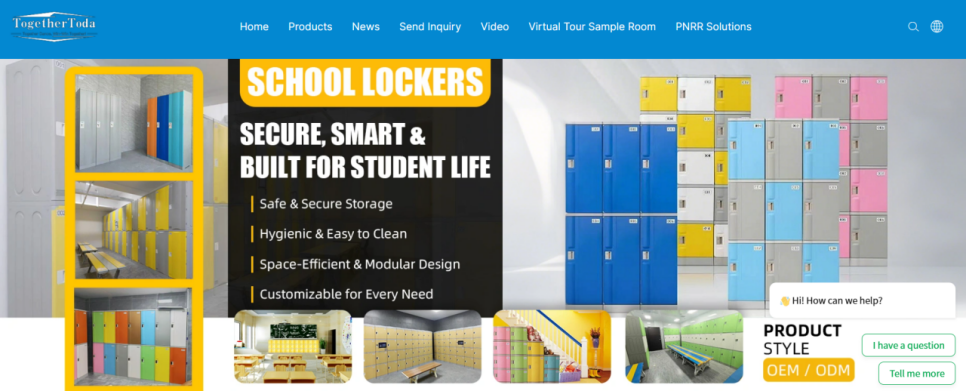
7. Toda Furniture
Toda Furniture is a Japanese specialist known for precision engineering and the use of high-quality timber in compact configurations.
Pros and Key Features:
- Timber Craftsmanship: Exceptional attention to the finish and grain of wood components.
- Compact Engineering: Designed for venues where spatial efficiency is paramount.
Use Cases:
Suited for urban arts centers and specialized music conservatories.
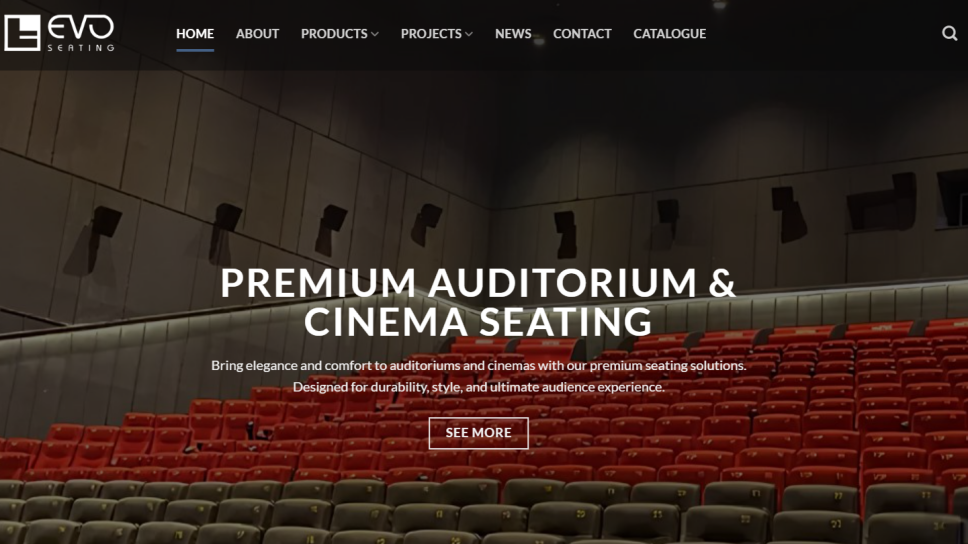
8. EVOSEATING
EVOSEATING provides modern, ergonomic solutions that emphasize ease of installation and maintenance for growing cultural institutions.
Pros and Key Features:
- Modularity: Their seating systems are easy to reconfigure or repair, featuring detachable cushions and standardized frames.
- Value Proposition: High performance-to-cost ratio for mid-range projects.
Use Cases:
Excellent for regional community theaters and secondary performance spaces within larger arts complexes.
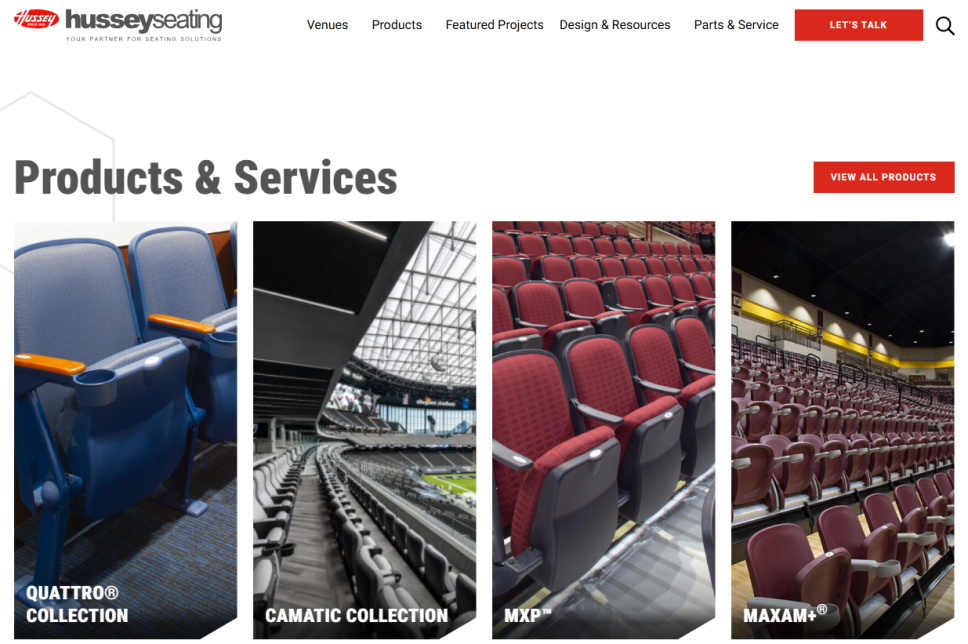
9. Hussey Seating
Hussey Seating is a leader in telescopic and flexible seating, making them vital for venues that must transition between different configurations.
Pros and Key Features:
- Flexibility: Their Quattro line can be installed on fixed risers or automated telescopic platforms.
- Robust Mechanics: Reliable automation for venues that require frequent layout changes.
Use Cases:
Best for multi-functional halls that serve as both arts theaters and community event spaces.
10. Preferred Seating
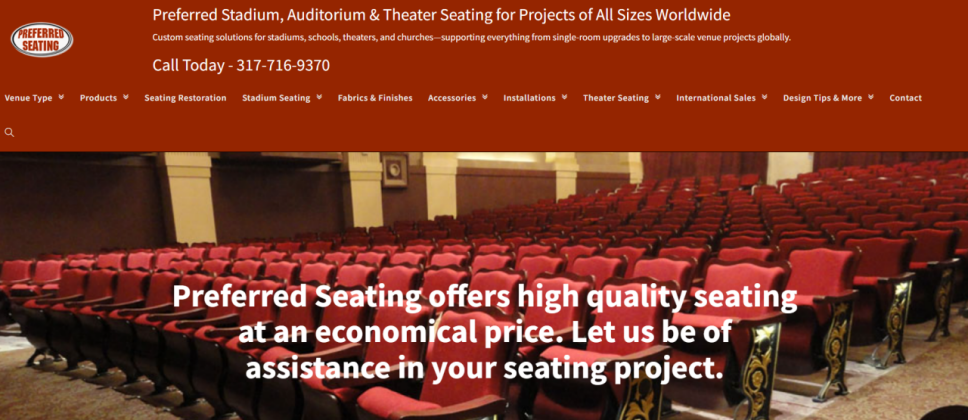
Preferred Seating is a US-based provider focusing on highly tailored installations and mid-sized renovations.
Pros and Key Features:
- Planning Expertise: They provide detailed CAD services to ensure optimal sightlines in difficult architectural spaces.
- Custom Fabrication: Ability to match existing finishes in older theaters.
Use Cases:
Appropriate for mid-budget renovations and churches that host theatrical performances.
Selecting from these diverse manufacturers requires a clear understanding of the venue’s core priorities.
How to Choose: A Buying Guide for International Arts Centers
When procuring seating for a high-profile cultural venue, decision-makers should focus on these four critical factors:
- Acoustic Character (NRC and Absorption): Ensure the seating manufacturer provides independent acoustic test reports. The seating should act as a constant in the room’s sound profile, absorbing sound similarly regardless of the audience’s presence.
- Sightline Optimization: The seat’s back height and the mechanism’s pitch must be calculated against the floor’s rake to ensure every patron has an unobstructed view of the stage.
- Longevity and Serviceability: Look for “gravity-lift” mechanisms rather than springs. Gravity systems have fewer points of failure. Additionally, ensure that seat covers and back panels are easily replaceable without removing the entire chair.
- Regulatory Compliance: Arts centers often have the strictest fire safety codes. Materials must conform to international standards such as BS5852 or CAL117.
Defining these parameters early in the design process ensures a more efficient procurement cycle.
Final Verdict
For 2026, the ideal supplier depends on the specific architectural and acoustic goals of the arts center. Leadcom Seating remains the most comprehensive choice for large-scale international projects due to its unmatched vertical integration and acoustic engineering. Irwin Seating Company is the preferred partner for historic US restorations, while Skeie offers the best path forward for institutions with high sustainability targets. For modern, architecturally minimalist spaces, Sedia Systems provides the most cohesive aesthetic integration.
Frequently Asked Questions
1. How does the type of wood used in theater seating affect acoustics?
Dense hardwoods reflect high-frequency sound, which can add “brightness” to a hall. Conversely, perforated wood panels allow sound to enter the foam core, where it is absorbed. Manufacturers like Leadcom offer both to help tune the room.
2. What is a gravity-tilt mechanism, and why is it preferred?
A gravity-tilt mechanism uses a counterweight to return the seat to an upright position. Unlike spring mechanisms, which can squeak, lose tension, or snap over time, gravity systems are virtually silent and have an indefinite lifespan.
3. What is the standard lead time for high-end theater seating?
For custom international projects, lead times typically range from 16 to 24 weeks. This includes the time required for engineering approvals, fabric sourcing, production, and international shipping.